

DNA Evidence in Injury Cases and Why It Matters
When someone is hurt because of another person’s actions, the aftermath can feel overwhelming. Physical pain often collides with emotional strain, unanswered questions, and worry about whether the truth will come out. Many people fear their voice won’t carry enough weight against insurance companies or opposing parties who deny responsibility. In moments like these, reliable proof can make a real difference for those seeking accountability.
At Wilson & McQueen PLLC, we support injured clients across Kentucky by helping them present clear, credible evidence when it matters most. One powerful tool in modern personal injury claims is DNA evidence, which can help establish how an incident occurred and who was involved.
While DNA is often associated with criminal cases, it can also play a meaningful part in civil injury matters. When used properly, it helps injured individuals feel heard and backed by facts, not just statements. Reach out today to learn more about our services.
How DNA Evidence Supports Injury Claims
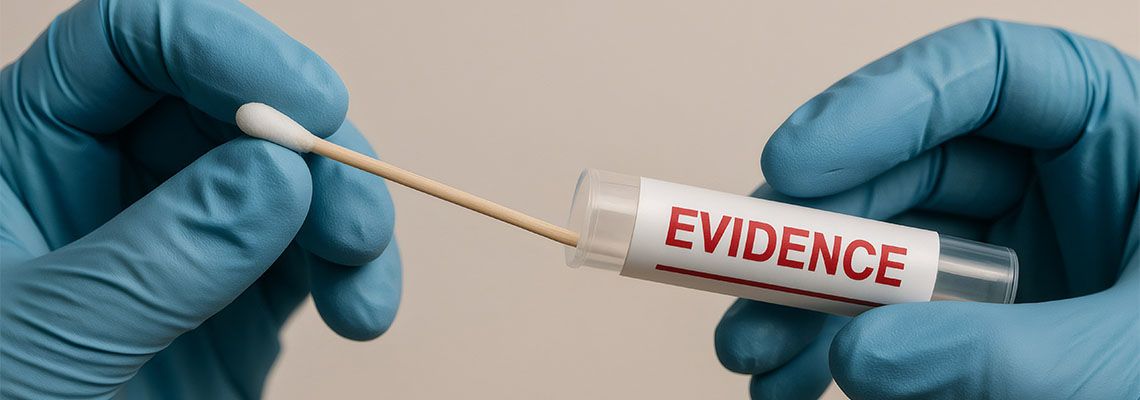
DNA evidence can strengthen a personal injury case by linking people, objects, or locations directly to an incident. It often provides answers when stories conflict or when responsibility is disputed by the opposing side. For injured individuals, this kind of proof can reduce doubt and reinforce credibility. We help clients see how scientific findings fit into the larger picture of their claim.
In injury cases, DNA may come from blood, skin cells, hair, or other biological material. These traces can appear on vehicles, clothing, safety equipment, or at the scene itself. When properly handled, this information can support timelines and clarify disputed events.
That clarity is especially valuable when injuries are serious and long-term consequences are involved. DNA evidence may also uncover previously unrecognized contributors to an incident, such as secondary contacts or overlooked hazards, which can be pivotal in proving liability.
Situations Where DNA Evidence Becomes Relevant
Not every personal injury case involves DNA, but certain situations make it particularly useful. These cases often involve disputes about identity, contact, or presence at the scene. For clients, knowing when DNA applies helps set realistic expectations. We walk clients through these situations to help them understand how evidence may support their claims. Injury scenarios involving DNA evidence include:
Pedestrian or hit-and-run accidents with disputed driver involvement
Assault-related injury claims connected to civil liability
Workplace incidents where responsibility is denied
Premises liability cases involving physical contact
Defective product cases with biological traces on the item
DNA evidence is most effective when supported by other documentation. Medical records, witness statements, and incident reports still matter greatly. When combined, these elements tell a fuller story of what happened. That combination often strengthens a personal injury claim and helps injured people pursue fair outcomes.
Protecting Evidence After an Injury
Preserving evidence is one of the most important steps after an injury, especially when DNA may be involved. Many people don’t realize how easily biological material can be lost or contaminated. Acting quickly can protect information that later becomes critical. We encourage clients to prioritize their health while remaining mindful of evidence preservation.
Medical professionals may document biological findings during treatment, which can later support your personal injury claim. DNA evidence can also corroborate the sequence of events, such as establishing who handled a product or touched a surface, which is especially relevant in injury cases. Helpful steps for preserving DNA-related evidence:
Avoid washing clothing worn during the incident
Keep damaged items in separate, sealed containers
Seek medical care promptly and follow instructions
Document the scene with photos when possible
Taking these steps doesn’t mean handling everything alone. Injured individuals often rely on guidance from an experienced personal injury attorney to avoid missteps. With proper handling, evidence remains reliable and useful. That preparation can ease stress later in the legal process.
How DNA Evidence Is Evaluated in Civil Cases
In civil injury cases, DNA evidence must meet certain standards to be considered reliable. Courts look at how the material was collected, stored, and tested. Any gaps in this process can weaken its value. That’s why careful handling from the start matters so much to injured clients.
DNA findings are typically presented alongside other forms of proof rather than replacing them. Judges and juries consider how the evidence fits within the overall narrative of the case. When DNA aligns with medical findings and witness accounts, it can reinforce credibility. For personal injury plaintiffs, that reinforcement can make their claims harder to dismiss.
An Intro to Legal Guidance When DNA Evidence Is Involved
DNA evidence can be powerful, but its impact depends on how it is handled within the legal process. Collecting, preserving, and presenting scientific evidence requires coordination with medical providers, laboratories, and qualified experts. Without proper oversight, even strong evidence can lose effectiveness or be challenged by opposing parties.
Personal injury attorneys help gather DNA evidence and integrate it with the facts of the case. For injured individuals, having legal guidance means evidence is not only preserved but also used strategically to support accountability and fair compensation.
Moving Forward With Confidence
Injury cases can feel isolating, especially when the other side challenges what happened. DNA evidence can provide reassurance by grounding a claim in objective facts. For many clients, that support provides confidence during a difficult chapter. We help injured individuals understand how this type of evidence may strengthen their personal injury claim.
Wilson & McQueen PLLC works with clients throughout Lexington, Kentucky, and the surrounding area, including London, Georgetown, Richmond, and Nicholasville. Our approach centers on helping people feel informed and supported as their cases move forward. Reaching out can be the first step toward clarity, accountability, and a stronger foundation for recovery.